Every concrete floor has a story. Some are straightforward. Others have a few surprises hiding beneath the surface.
And sometimes, one of those surprises is a thin, weak layer of cement and fine particles called laitance.
It doesn’t look particularly threatening. In fact, you might barely notice it. But if you’re preparing a concrete floor for coatings, adhesives or other treatments, laitance can become a rather unwelcome guest.
So, what is it, why should you care, and how do you get rid of it?
Let’s take a look.
First up, what exactly is laitance?
When concrete is placed and finished, water and fine cement particles can migrate towards the surface. As the concrete sets, these materials can leave behind a relatively weak layer on top of the slab.
That’s laitance.
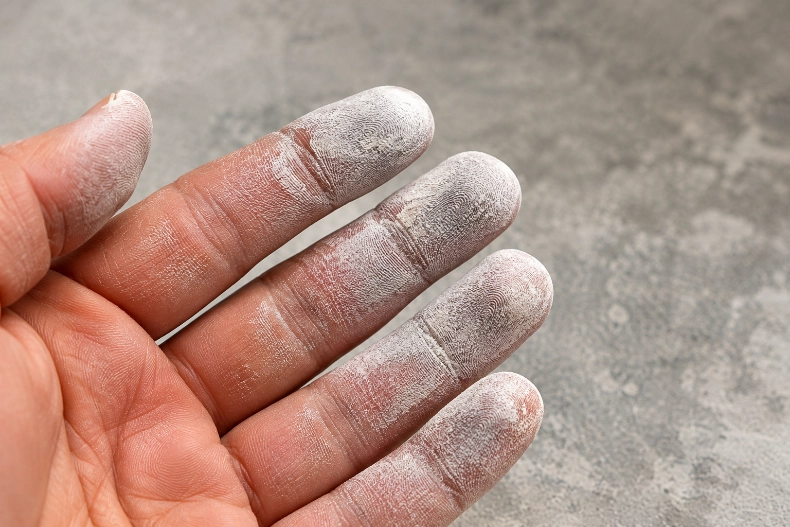
It can appear as a dusty, powdery or sometimes slightly crusty surface. Depending on how the concrete was placed and finished, the layer can vary in thickness and strength.
Think of it as the dodgy top layer of an otherwise perfectly decent concrete slab.
It might look like concrete, but it doesn’t necessarily have the strength or integrity of the concrete underneath.
Why is it a problem?
Here’s where things get interesting.
Imagine spending time and money preparing a concrete floor, applying an expensive coating and admiring your handiwork.
Then the coating starts lifting.
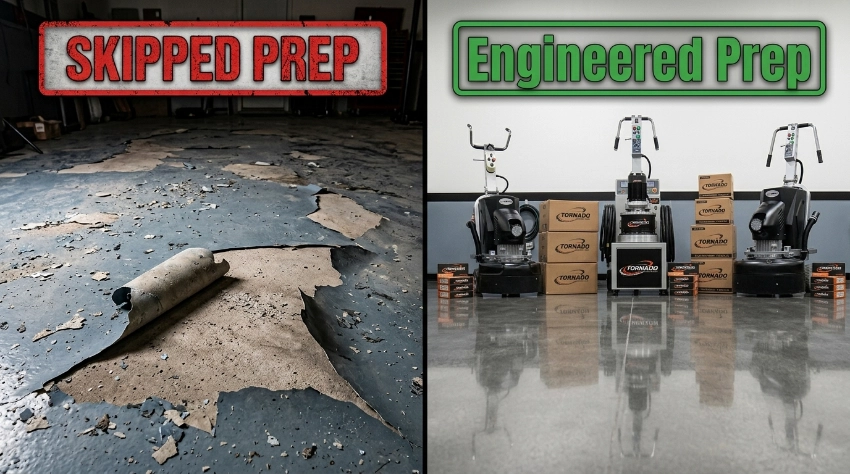
The coating might be perfectly fine. The problem could be that it has bonded to a weak layer of laitance rather than sound concrete.
When that weak layer lets go, the coating can come away with it.
It’s a bit like sticking a quality sticker onto a layer of dust. The sticker isn’t necessarily the problem. The surface underneath is.
Laitance can cause issues with:
- Coating adhesion.
- Adhesive bonding.
- Surface strength and durability.
- The overall quality of floor preparation.
In short, a good coating needs a sound surface to bond to. Preparing a weak surface doesn’t magically make it strong.
How do you spot it?
Laitance isn’t always obvious, but there are a few things worth looking for.
A dusty surface: If the concrete continues to produce fine powder when brushed or rubbed, it deserves a closer look.
A weak or flaky layer: Some laitance can be scraped or scratched away relatively easily.
Inconsistent surface appearance: Areas of the slab may have a noticeably different texture or strength.
Of course, dust on concrete doesn’t automatically mean you’ve got laitance. Grinding residue, general construction dust, curing compounds and other surface contaminants can all create similar appearances.
The important thing is to assess the actual surface rather than make assumptions.
So, how do you get rid of it?
Mechanical surface preparation is commonly used to remove weak surface material and expose sound concrete underneath.
Depending on the condition of the slab and the preparation requirements, this may involve diamond grinding, shot blasting or another suitable mechanical preparation method.
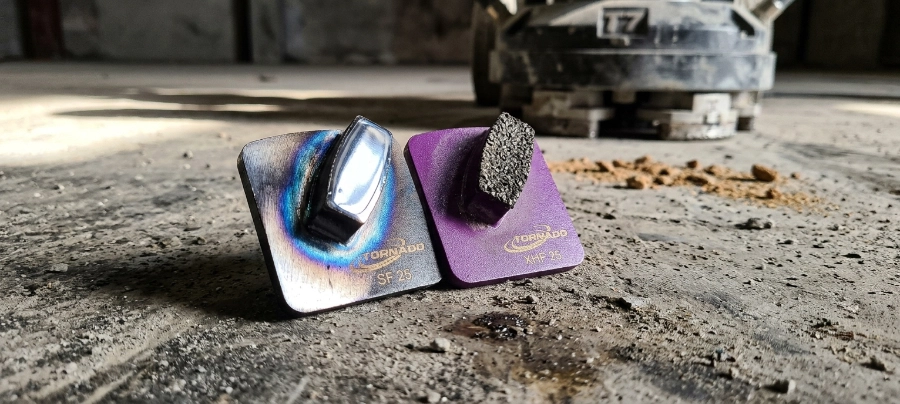
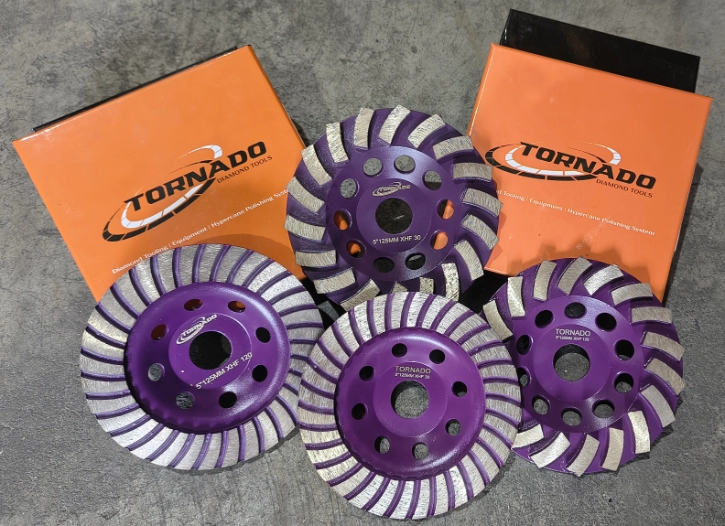
For concrete grinding, selecting the right diamond tooling is important.
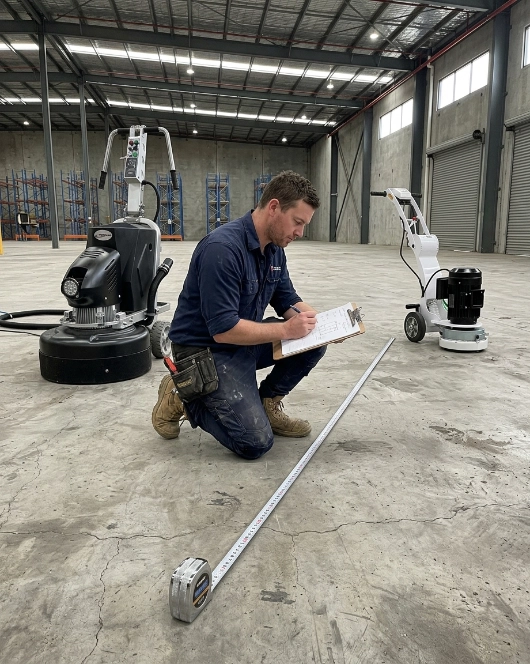
You want tooling that suits the concrete and the amount of material that needs to be removed. The objective isn’t to grind half the slab away just because the surface isn’t ideal.
It’s to remove the weak material and achieve the required surface condition.
And remember, if you’re preparing for a coating system, the required surface profile needs to match the coating manufacturer’s specifications.
Don’t confuse laitance with every other surface problem
This is worth mentioning because not everything that looks dusty or weak is laitance.
Concrete can also have curing compounds, sealers, old adhesives, coatings and other contaminants on the surface.
These materials can behave very differently during grinding and may require different preparation methods.
Before choosing your tooling and getting stuck into the job, work out what you’re actually dealing with.
A little investigation at the beginning can save a lot of frustration later.
The takeaway: don’t build on a weak foundation
Laitance might only be a thin layer on top of the slab, but it can have a big impact on the success of the floor preparation process.
The lesson is simple: don’t assume that because concrete looks solid, the surface is ready for whatever comes next.
Check the condition of the slab, identify any weak or contaminated material, choose the appropriate preparation method and make sure the finished surface meets the requirements of the system being applied.
Because when it comes to concrete preparation, what’s underneath matters just as much as what you see on top.
And nobody wants to be the bloke explaining why the expensive new coating is peeling off a perfectly good floor.
Need the right diamonds for your next floor preparation job? Talk to the team at Tornado Diamond Tools. We’re always happy to help you work out the right tooling for the job.