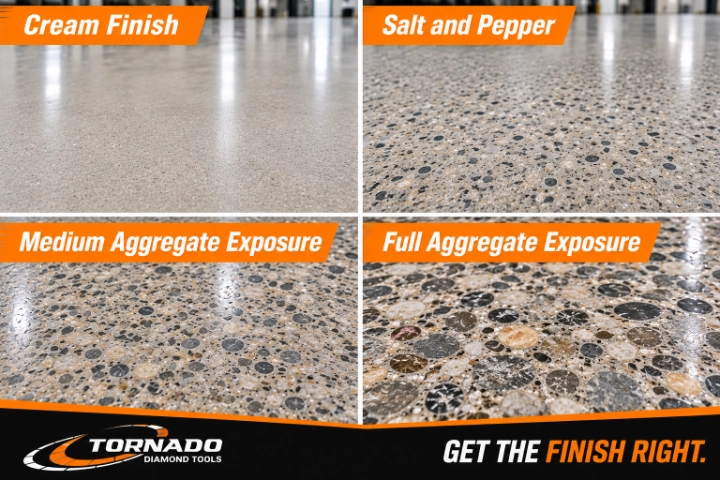
Cream finish? Salt & Pepper? Medium exposure? Full aggregate?
If you’ve been involved in concrete grinding or polishing for any length of time, you’ll know that one of the most important conversations with a customer happens before the grinder even starts.
Understanding exactly what appearance the customer is after is essential. But knowing how to achieve that finish is equally important.
Different levels of aggregate exposure require different amounts of concrete removal, different approaches to grinding and, potentially, very different amounts of time on the job.
Getting the expectations right from the beginning can save a lot of headaches later.
Let’s take a look at the four common levels of aggregate exposure and what it takes to achieve each one.
1. Cream Finish – Keep the Stone Hidden
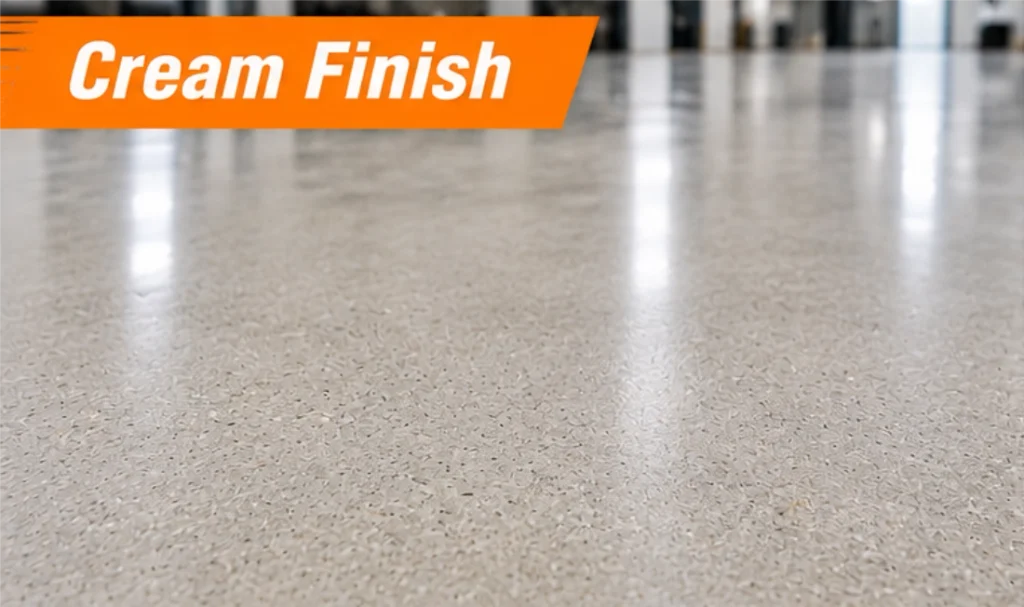
Minimal aggregate exposure
A cream finish retains the natural cement-rich surface of the concrete, creating a relatively consistent appearance with little or no visible aggregate.
This is generally the least aggressive form of concrete grinding and is often preferred where the customer wants a clean, subtle finish without prominent exposed stone.
How do you achieve it?
The objective is to retain as much of the original surface cream as possible.
Grinding should be kept to a minimum, using suitable tooling and controlled passes to prepare and refine the surface without cutting unnecessarily deep into the slab.
The challenge is that not all concrete slabs are created equal. Surface cream thickness can vary, and some slabs may already have aggregate close to the surface. This can make achieving a consistent cream finish difficult.
The important conversation: Make sure the customer understands that a cream finish relies heavily on the condition and characteristics of the existing slab. Not every concrete floor is suitable for a perfectly uniform cream appearance.
2. Salt & Pepper – Show a Little Stone
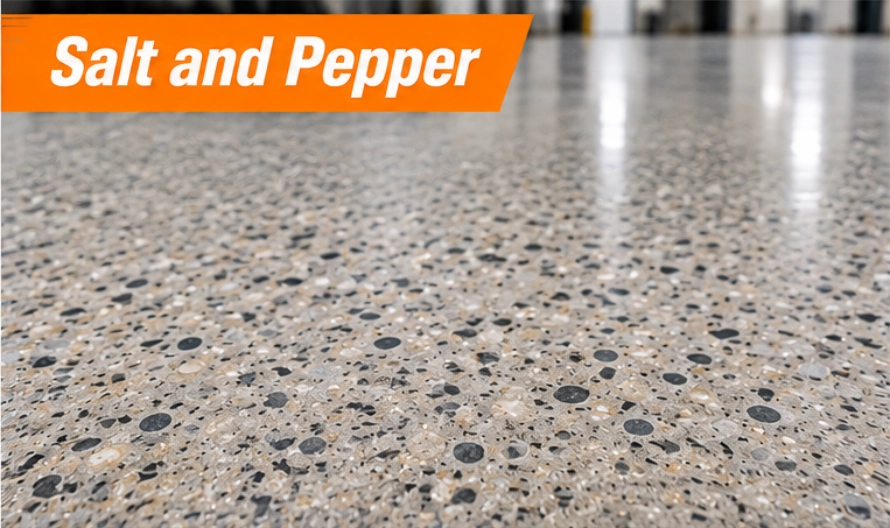
Light aggregate exposure
Salt & Pepper is one of the more popular concrete finishes.
It exposes the finer sand and smaller aggregate particles within the concrete, creating a subtle speckled appearance while retaining most of the cement matrix.
It’s a good middle ground for customers who want a little more character than a cream finish without exposing the larger stones.
How do you achieve it?
The aim is to remove the surface cream and expose the finer aggregate beneath.
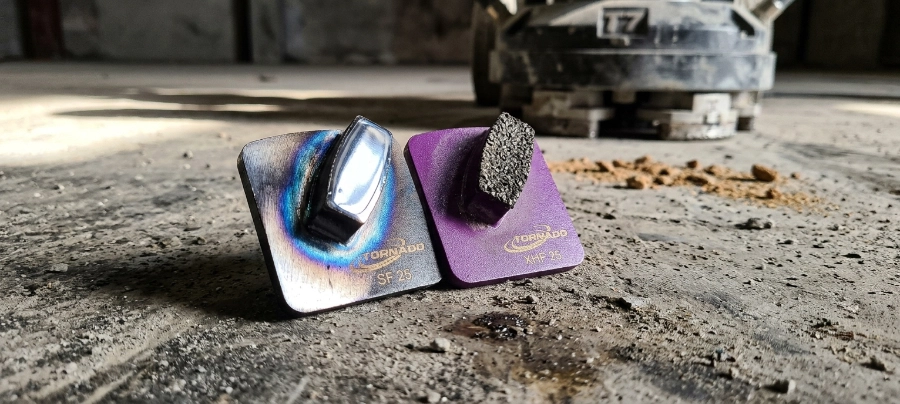
This requires controlled grinding with suitable metal-bond diamond tooling. The amount of material removed will depend on the depth of the surface cream and the characteristics of the concrete.
Some slabs will expose beautifully with relatively little grinding, while others may require considerably more work.
The important conversation: Explain that Salt & Pepper is about exposing the finer aggregate, not simply grinding until a few stones become visible. The consistency of the exposure is what contributes to the overall appearance.
3. Medium Exposure – Bring Out the Aggregate
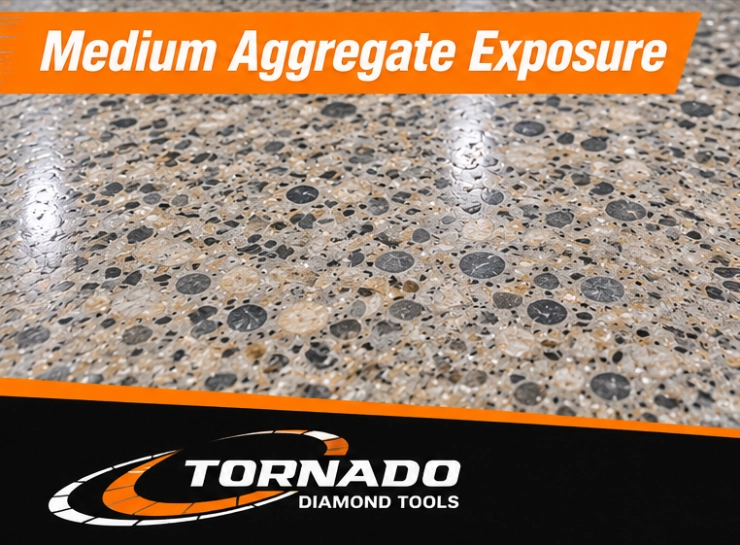
Moderate aggregate exposure
For customers wanting a more pronounced natural stone appearance, medium exposure is the next step.
Here, more of the larger aggregate particles become visible, creating a stronger contrast and a more textured visual appearance.
The exact look will depend on the size, colour and distribution of the aggregate used in the original concrete mix.
How do you achieve it?
More material needs to be removed to expose the larger aggregate particles.
This generally involves more substantial grinding using suitable diamond tooling, with the operator carefully controlling the removal process to achieve the desired exposure.
Once the required exposure has been achieved, subsequent grinding and honing stages refine the surface and develop the specified finish.
The important conversation: Medium exposure can look very different from one slab to another. A concrete mix containing small, uniformly distributed aggregate will produce a different result from one containing larger, more varied stones.
Show the customer a sample or photograph of the type of exposure you’re proposing before committing to the job.
4. Full Exposure – Show Us the Stone!
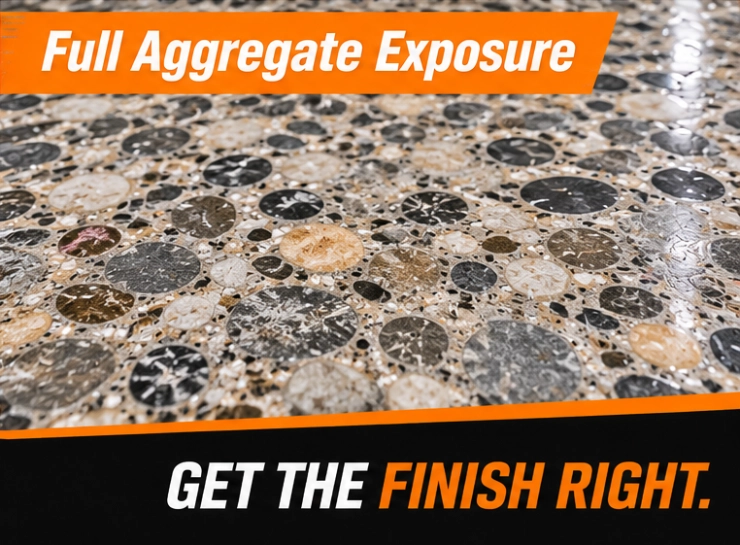
Heavy aggregate exposure
For customers who want the aggregate to become a prominent feature of the floor, full exposure is the way to go.
This finish reveals considerably more of the larger stones within the concrete, creating a bold, natural appearance.
Depending on the concrete mix, the finished floor can showcase a variety of colours, shapes and sizes of natural aggregate.
How do you achieve it?
Full exposure generally requires substantially more material removal than the other finishes.
More aggressive diamond tooling and additional grinding passes may be required to reach the desired depth and expose the larger aggregate particles.
Once the exposure has been achieved, the floor can be worked through the appropriate grinding and honing stages to develop the required surface finish.
This is where experience and a good understanding of the concrete become particularly important.
The important conversation: Full exposure can involve considerably more grinding time and material removal. The slab must also be suitable for the amount of removal required. Make sure the customer understands the additional work involved and that the desired result is achievable before quoting.
It’s Not Just About Choosing a Finish. It’s About Setting Expectations.
One of the biggest mistakes that can be made on a concrete grinding job is assuming that the customer understands what they’re asking for.
A customer might request Salt & Pepper exposure because they’ve seen a photograph online. But that photograph might show a completely different concrete mix, aggregate size or level of exposure.
Two slabs can be ground using exactly the same tooling and technique and still produce quite different results.
Things that influence the finished appearance include:
- Concrete mix: Different mixes contain different types, sizes and quantities of aggregate.
- Surface cream: The thickness and consistency of the surface layer can vary considerably.
- Aggregate distribution: Stones aren’t necessarily distributed evenly throughout the slab.
- Previous treatments: Coatings, repairs, previous grinding and surface treatments can all influence the preparation process.
- Grinding depth: The amount of material removed determines how much aggregate becomes exposed.
This is why we recommend agreeing on the desired finish with the customer before starting work.
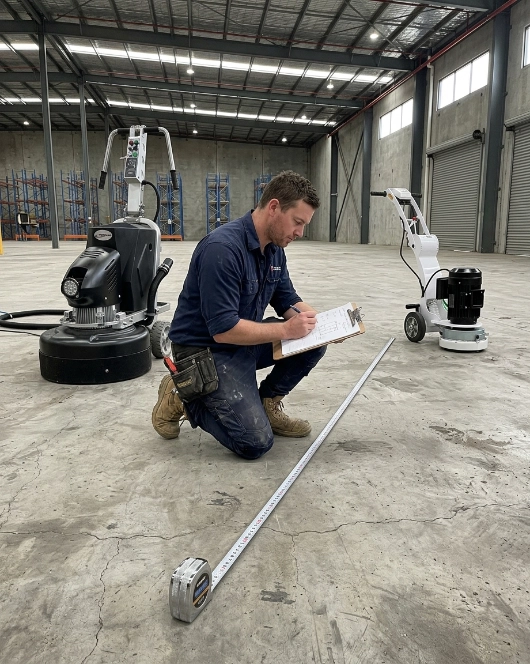
Where possible, prepare a sample area so everyone can see what the concrete will actually look like once ground.
A photograph is a useful reference, but a sample on the actual slab is much better.
Get the Finish Right. Start With the Conversation.
Understanding the different levels of aggregate exposure is an important part of concrete grinding and polishing.
But achieving the right result isn’t simply a matter of selecting the correct diamond tooling. It’s about understanding the concrete, knowing how much material needs to be removed and having a clear agreement with the customer about the finished appearance.
Whether it’s a subtle cream finish or full aggregate exposure, the objective is the same: deliver the result the customer expects, without unnecessary work or surprises along the way.
At Tornado Diamond Tools, we understand that every concrete floor presents its own challenges. Having the right tooling for the application is an important part of getting the job done.
Agree on the finish. Prepare a sample. Then get grinding.
That’s a much better way to start any concrete grinding job.